Distraction from discomfort
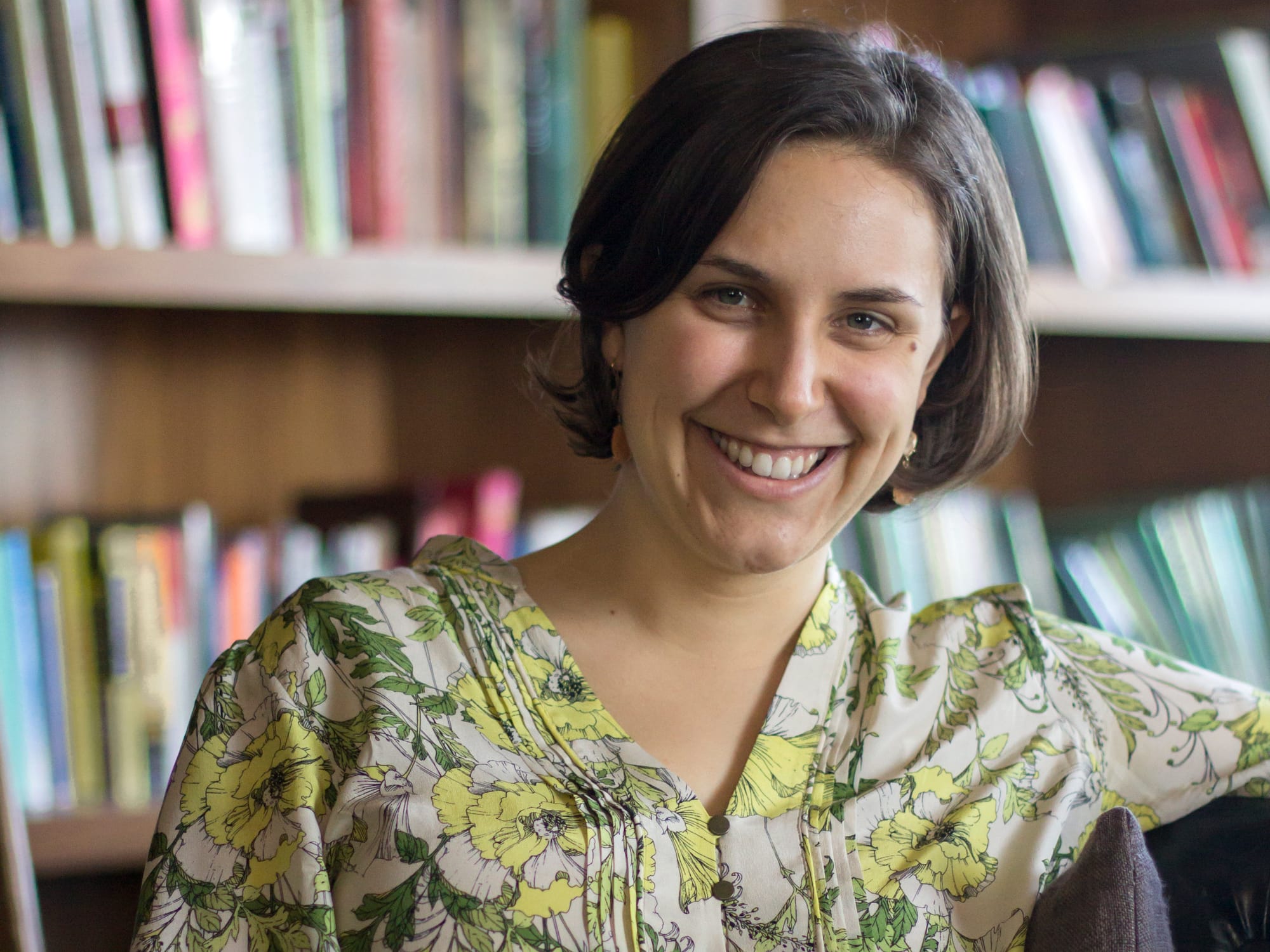
by Amy Schaffer

Changing something about your life is wildly uncomfortable. I've been experiencing this first hand as I ponder the question, "What would it look like to consider my writing and my own business as Plan A rather than Plan B or the side gig? How would my life change?"
I can sit with this for a little while, but give it enough time and suddenly the discomfort piles on and I feel like I'm drowning in it.
Ideally, in these moments I would put everything down and dig into the source of the discomfort. It's amazing how quickly it can dissipate when you give it room to say what it's trying to say. When I remember to do this, I usually feel better in under 30 minutes and then move on with my day.
That's not how it usually goes, though.
Usually, I grab the phone, pop open my email, Substack, LinkedIn, or Instagram, and scroll for an hour. I finally look up and realize what I've been doing has not been helping. In fact, I usually feel even more discomfort because it's built up while I've avoided it AND I feel like the world is ending on top of it. Then I jump into another app and waste another hour.
But even though I know this (and even though I've deleted most of these apps off my phone to try to save me from myself), I still fall into this pattern almost automatically. And it's not just because it provides distraction and dopamine. It's also because it's been engrained in me that if I could just consume a little more information, I might finally be able to fill the hole inside myself. I might finally be enough. And then there will be no more discomfort.
This is the messaging we receive constantly. Buy this, believe that message, spend your time in this way, do this course, read this book, watch this video, and you will suddenly have all the answers, remove all doubt, be a better person, look and feel better, and make the impact you want to make in the world (while making all the money you want to make). It hits us so often from every angle that it's almost impossible not to believe that we can only reach our highest potential if we're consuming information in every spare moment of the day.
I want to be clear that consuming and interacting with ideas outside of yourself isn't a bad thing in and of itself. That's a big part of how we learn, grow, empathize with others, and find new things that matter to us in the world.
But the most helpful consumption of ideas involves intentionality. It requires discernment of what you're consuming (i.e. I heard about this book and it interests me, so I'm going to read it) and/or discernment of how to internalize what you're consuming (i.e. I heard this speaker and this piece of what they said feels really relevant to me, but this piece I don't agree with). It isn't passive.
However, in today's world, the way we consume most information is either unintentional or passive because most content comes to us via an algorithm.
The algorithm's job is to keep you scrolling, not to give you the information that's actually pertinent to what you need in this moment. In most cases, we don't have the option to choose what content we see and we're shown posts from creators we never opted to receive messaging from.
Additionally, when all it takes is a tiny swipe to move onto the next piece of content to consume, it's practically impossible to choose what you're internalizing, how that information impacts your beliefs, and what actions you will or won't take as a result. You don't even have enough time to question whether what you're seeing is real before you're onto the next thing.
The funny thing that results from this is that I go to some platform to ease my discomfort and I come away more anxious, smaller, and more helpless. Worst of all, I feel even more not enough because my mind is buzzing with a bunch of new ways I'm lacking.
If I had just sat with my discomfort, I probably would have found the answer I was looking for all along. Maybe not the answer I wanted, but the answer none the less.
The most effective way I know to start combatting all the external noise is to turn it off. It doesn't have to be perfect, but it's amazing how much better you can start to hear your own thoughts and intuition just by deleting the apps you automatically open when you start to feel any discomfort. During the times I've deleted social media for an extended period of time, I find that it takes 5-7 days to feel less anxious and more present. And after a month, I have a much easier time knowing what I think about something, what matters to me, what information I naturally want to engage with, and how to meaningfully spend my time.
It can also help to unsubscribe from emails that you don't read or that make you feel bad. You might want to avoid talking about certain subjects with people who jump into advice mode or state their opinion unasked. Turn off notifications, particularly to apps with any sort of algorithm serving up content to you.
And notice how you feel.
Then when discomfort comes up, ask yourself: What sensations am I feeling? What emotions are coming up? What are these things trying to tell me?
I find it extremely helpful to have a journal in moments like these. I ask these questions and then I listen, sometimes for a really long time, until something comes up. Then I write down what I hear. You might find talking to someone who just holds space for you and doesn't try to problem solve is helpful. Or you might need to physically move your body or create some art. Find something that feels helpful to you to start to work with that energy so you can understand what it's trying to tell you.
When I do this, I don't usually find certainty. But I do find that I'm enough. Because beneath the discomfort, there's some sort of wisdom waiting to be surfaced. And my inner wisdom is the only thing who can give me exactly what I need, when I need it. Nothing else can do that.
There's a book called Feel the Fear and Do It Anyway, and in it, author Susan Jeffers says, All fear is fear of not being able to handle it."
And when you choose to listen to yourself rather than turn outward for the answers, what you're telling yourself is that you trust yourself to be able to handle it. What better way is there to prove to yourself that you are, indeed, enough?