Driving in the Fog
by Amy Schaffer
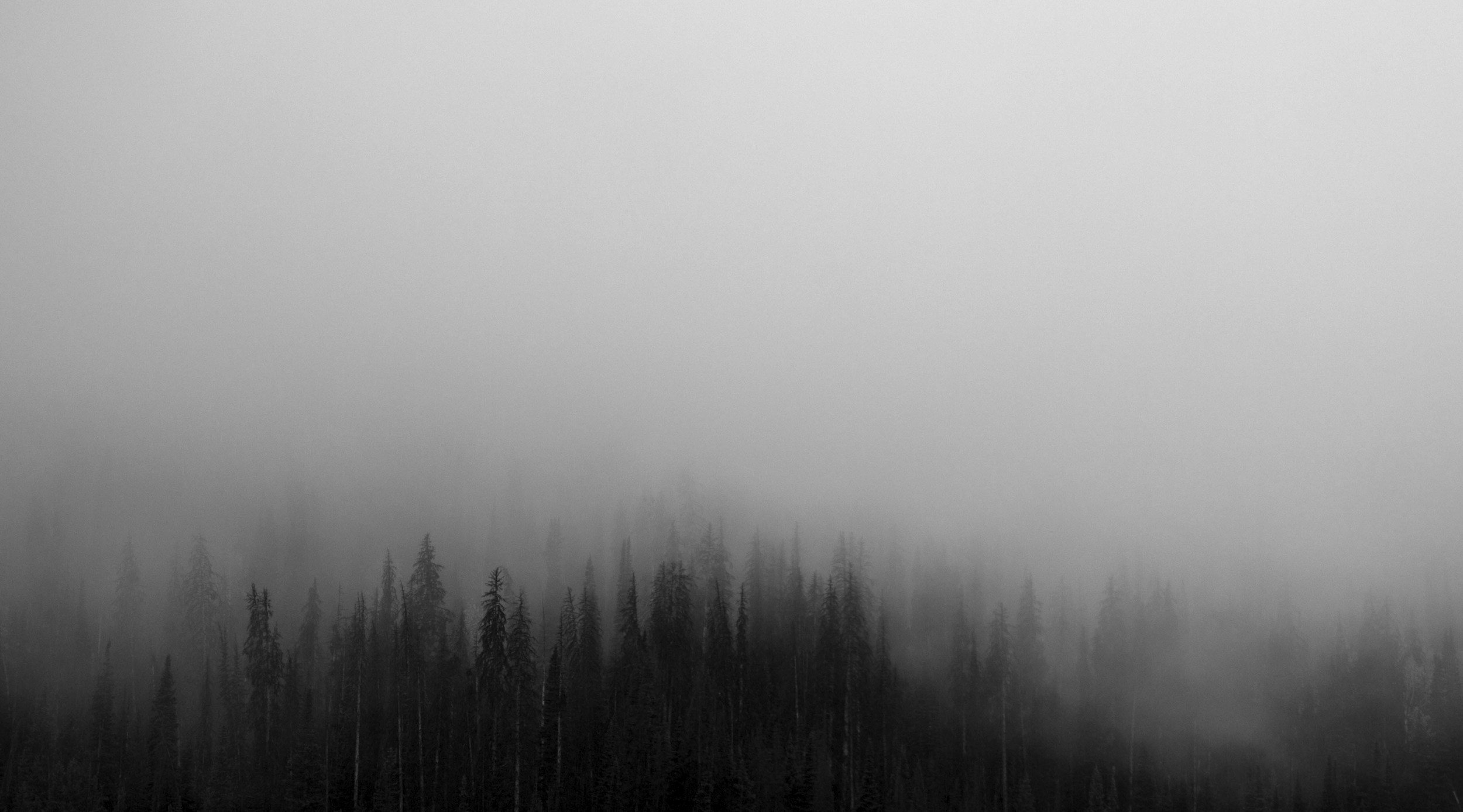
The other night I was driving home late from a friend’s place. I knew I was likely to hit some fog—I’d seen it forming when I left my house around 6:30pm. But I figured it wouldn’t be that bad until I got off the freeway. A lot of the fog comes from the ocean and tends to collect in the canyons. I assumed the areas east of the canyons would have some fog, but it wouldn’t be terrible. By the time I hit the thick of it, I would be on familiar streets and able to go slow.
So I was pretty shocked when I got on the westbound freeway and found myself in the thickest fog I’d ever seen.
This wasn’t just fog—it was a dome of cotton. I could see the lane lines up to about 3 ft ahead of me, any lights within a 10 foot circumference of my car, and, miraculously, the signs telling me which exits were coming up so I knew which lane I needed to be in to go north (which was, unfortunately, a good 3 miles down the road). Everything else was just dense white mist that you pray doesn’t turn into a solid object you couldn’t see in time to brake.
As terrified as I was, there really wasn’t much I could do. The fog was going to be equally thick if I got off on surface streets, there likely wasn’t a hotel out in that area to wait out the fog, and parking on the side of the road probably put me in more danger than continuing to drive. My only real choice was to slow down, wait for the right exit sign to appear, and pray the next freeway had more visibility. It was a pretty stressful 3 miles.
But because I slowed down so I could be alert, focused and calm, I got onto the northbound freeway and found a lot more visibility. I’ve never been so relieved.
As much as we hate to admit it, life is exactly like driving through fog.
We often make plans in sunny, cloudless conditions. We’ve planned our rest stops, the hotels we’ll be staying in, and everything we’re going to do once we reach our destination. We have a GPS that can tell us each and every turn we need to make to predictably get where we need to go. We are going to reach that destination in the time we want with minimal delays.
Then we get on the road and immediately hit fog. And unfortunately, the fog is going to be there for the next 300 miles. It’s going to cause an accident and make us sit in unexpected traffic for an hour. It’s going to obscure the last exit before a 30 mile stretch of nothing right when we really need to find a bathroom. It’s going to make it hard to see the detour signs that we’re blindly following in the hopes we end up back at the freeway. It’s going to make it impossible to know which lane we’re supposed to be in as the freeway splits into 3 different freeways. All we can see is the next step in front of us, and all we can do is adapt to whatever new challenge is in front of us the moment it comes into view.
And even when we’re sure we want our final destination to be San Francisco, we might see signs for Yosemite and realize what we’re really craving is fresh, mountain air. And we turn down a road where we have no hotels lined up for us, no rest stops planned, and no guarantees. But wow, is that view breathtaking when we get there and the fog finally breaks.
We humans tend to believe that more information, certainty, and control are our guarantee for safety, success, happiness, love, etc. I have certainly believed this throughout my life. I’ve trusted the “certain” path over my own instincts multiple times because it seemed safer and more secure. I’ve even forced my way onto paths where life put up “Road Closed” signs because I was so sure it was the path that would lead me to where I thought I needed to be. Unfortunately, those roads ended with me driving into flood waters and ruining my engine.
Certainty and control are illusions. It doesn’t matter how much information we have, how much we believe we want something, or how much grit and determination we possess. We can’t control what happens from one day to the next, let alone 5 years from now. But even more importantly, we are terrible at predicting what is going to be the best path for us because we don’t even know what our options are going to be 5 miles down the road. How many people do you know who chose a path in high school and actually ended up where they thought they would be? For those people who did, how many of them are happy? In my experience, it’s really rare for both of those things to happen. And I really think that’s a good thing.
The more we can let go of the need for certainty and the less rigid we are about how things need to be, the more adaptable we are when something unexpected happens. Maybe that is a death in the family, a truth we can no longer deny about ourselves, a job opportunity that arrives on our doorstep we never would have thought to look for, a breakup with someone we thought we would spend the rest of our life with, some technology that can do something similar to what we fought so hard to be able to do. These events could be the thing that derails us from reaching our one and only possible destination, or they can just be the next step on an ever-changing journey.
We are, of course, goal oriented people. Having a destination in mind for helps us take action and build momentum. If we didn’t, life might just pass us by without any intentionality on our part. I’ve also played that game where I just did what other people decided for me. Of all the paths available, that’s the one I least recommend. It’s a path to certain misery.
But when we have a destination in mind and are actively work to get there, we can also acknowledge that we’re driving in fog and can’t see nearly as much as we would like to. We can slow down, stay calm and focused, and give ourselves permission to be adaptable and flexible. When we do that, we might just find that the journey is a lot more enjoyable when we do.